

Tue, 21 Jul 2026
/Jugendamt
The Youth Welfare Office
Responsibilities, Rights, and Support
Your Guide Through the Banking System
A current account (“Girokonto”) is the foundation of your financial everyday life in Germany. Without this central transaction account, it is almost impossible to participate fully in social and economic life, as not only your salary or pension is paid into it, but rent, insurance payments, and everyday purchases are also managed through it. For many people coming from abroad, however, the German banking system can initially seem like a challenge.
This article will guide you step by step through how the system works, the different options available, and the most important pitfalls to avoid, so that you can start your life in Germany with confidence.
At its core, a current account is used for everyday financial transactions. It is the place where you receive money and make payments. With such an account, you can not only make bank transfers and set up standing orders for recurring expenses such as electricity or internet, but also authorize direct debits that are automatically withdrawn from your account. In addition, it allows you to withdraw cash from ATMs or pay directly in stores and online using a debit card.
Every current account comes with its own IBAN and BIC, which you must provide to your employer or government authorities in order to receive payments securely. Nowadays, most banks also offer comprehensive digital access through online banking and mobile apps, allowing you to manage your finances conveniently from anywhere.
When deciding on an account, it is important to pay attention to the details. Many banks offer an overdraft facility (“Dispositionskredit”), which allows you to overdraw your account temporarily. Although this may seem practical in emergencies, very high interest rates often apply, ranging from six to fourteen percent. It is therefore advisable to use this option only in absolute emergencies.
Besides the standard private account, there are several different types of accounts available. Freelancers and business owners usually require a separate business account in order to keep personal and business finances strictly separated. For people who have difficulties opening a regular account due to a negative Schufa record or lack of credit history, German law provides the so-called basic account (“Basiskonto”). This account guarantees access to essential banking services without an overdraft option and is often the best solution for newcomers. Joint accounts for couples or families are also a common option for managing household finances together.
Choosing the right bank depends largely on your personal needs. Traditional branch banks such as Deutsche Bank or local savings banks (“Sparkassen”) offer the advantage of personal advice on site, which can be especially helpful if you are unfamiliar with the system. However, these accounts are often associated with higher fees.
Alternatively, direct banks such as ING or Comdirect, as well as modern neobanks such as N26 and Revolut, operate almost entirely digitally. These providers usually stand out with free account models, fast account opening through an app, and very user-friendly interfaces, making them particularly attractive for young people and international customers.
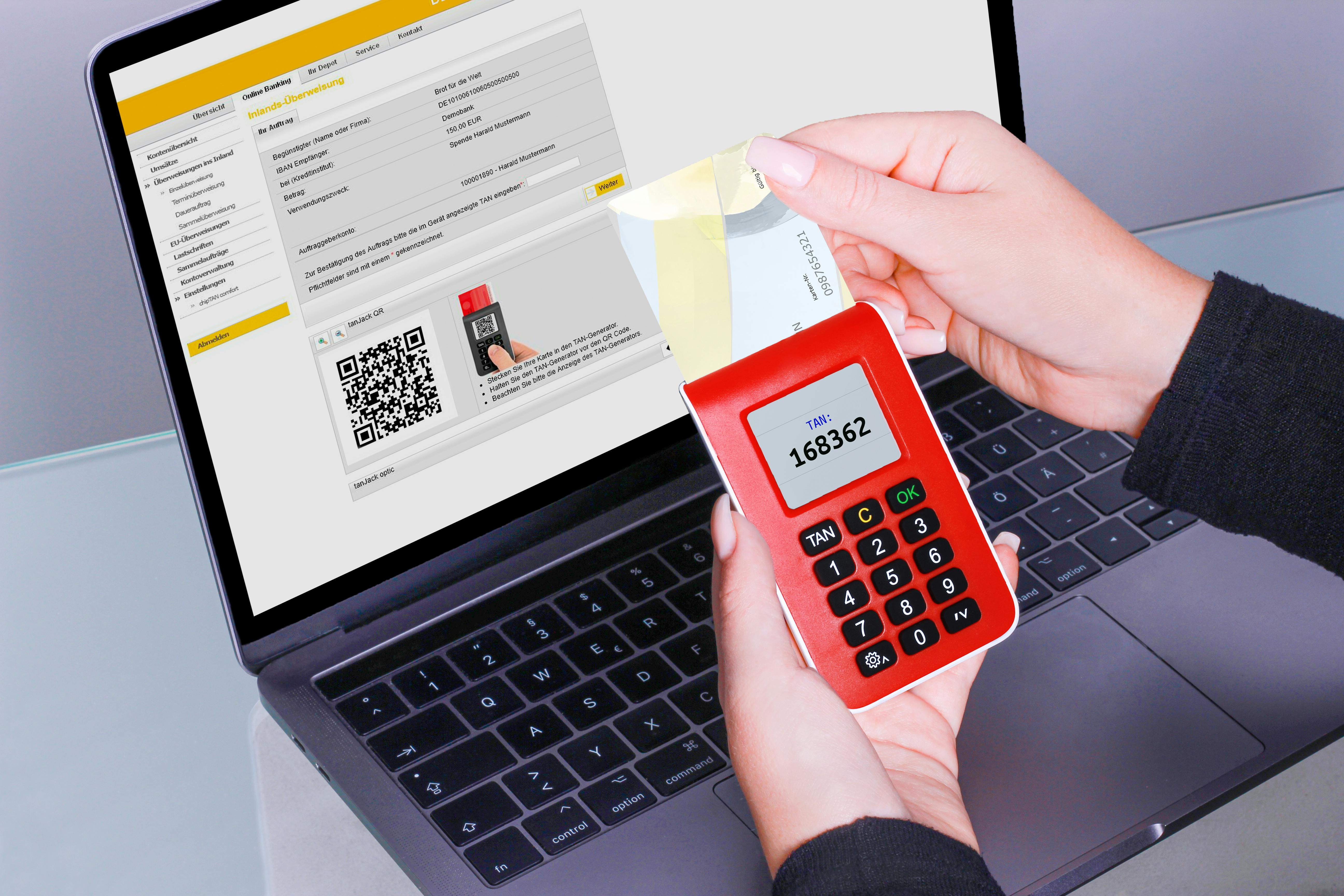
Regardless of the bank you choose, your deposits are legally protected within the European Union. Up to €100,000 per customer is secured through the deposit protection scheme, and modern security procedures such as SMS-TAN or Push-TAN effectively protect your online banking from unauthorized access.
To open an account, you generally need a valid identity card or passport as well as a registered address in Germany. In many cases, a credit check is also carried out. This is exactly where many Romanian customers face the biggest challenges: missing German Schufa data or negative entries for other reasons can lead to rejections.
In such cases, it is crucial to know the correct procedures and, if necessary, apply for a basic account (“Basiskonto”), which is legally required and cannot be refused.
As a service and interpreting office for Romanian customers, we support you with many questions related to banking and finances in Germany.
We help you better understand the German banking system and make bureaucratic processes easier to handle.
If you're dealing with bureaucracy, paperwork, or just not sure where to start, please contact us. Just let us know how we can help. We're here for you and ready to work together to find solutions.