

Tue, 21 Jul 2026
/Jugendamt
The Youth Welfare Office
Responsibilities, Rights, and Support
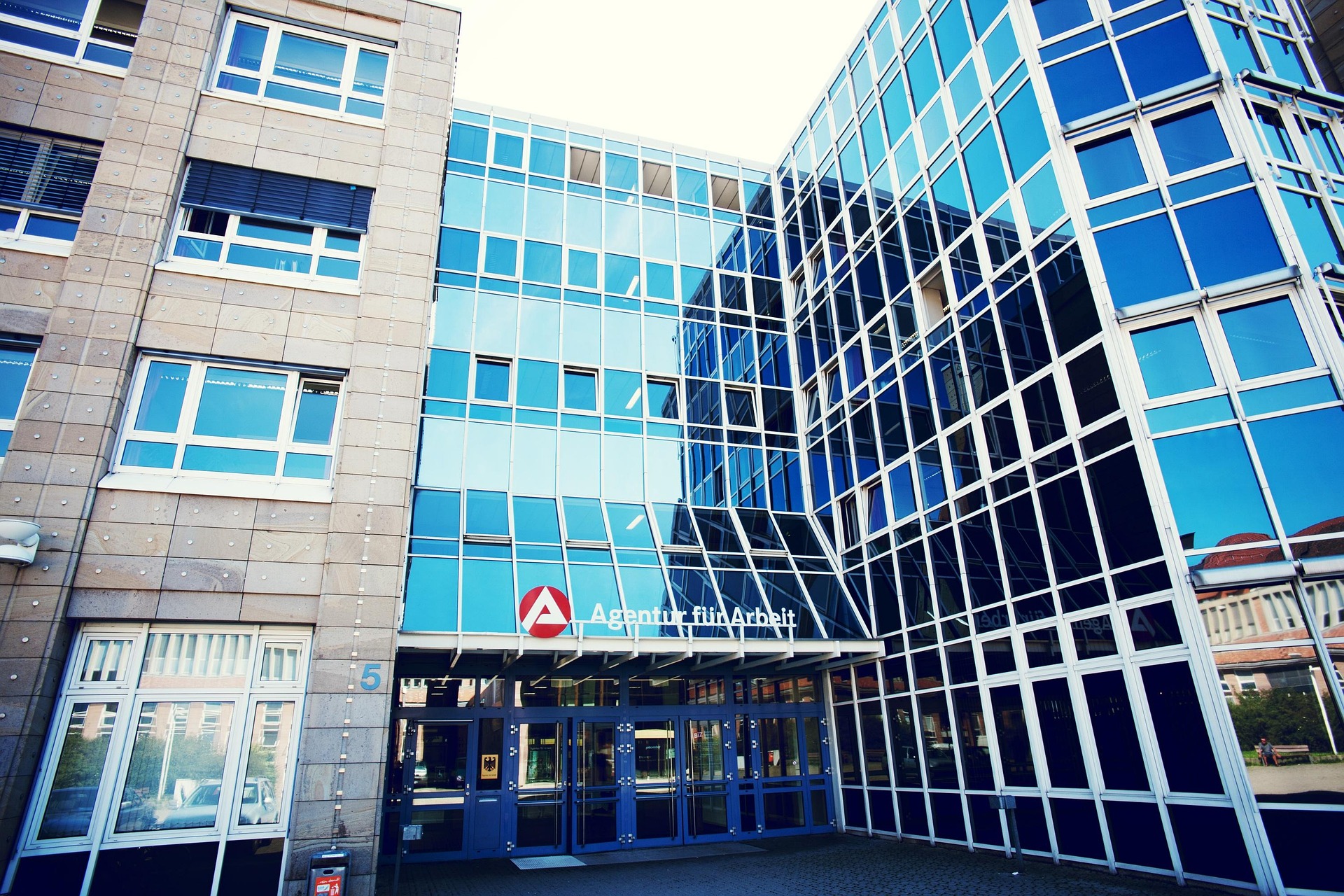
The German social welfare and benefits system offers many opportunities for workers, families, and job seekers. At the same time, however, it is very complex and difficult for many people to understand, especially when there are language barriers or a lack of experience dealing with German government agencies.
As a service and interpreting agency, we help Romanian citizens navigate the German system, understand their entitlements, and communicate confidently with government agencies. We assist not only with translation but also with the entire organizational process—from submitting applications to communicating with the relevant authorities.
Unemployment Benefit I is an insurance benefit provided by the Federal Employment Agency. In principle, only those who have previously worked in Germany and paid into the unemployment insurance system are eligible. Another requirement is that you are registered as unemployed and actively seeking new employment.
The amount of unemployment benefits is based on previous income and is generally about 60 percent of the last net salary; for people with children, it is about 67 percent. Benefits are typically paid for six to twelve months, but can extend up to 24 months for those with a longer period of insurance coverage or who are older.
Under European regulations, it is also possible to have insurance periods from other EU countries counted toward eligibility. Under certain conditions, unemployment benefits can even be temporarily transferred to another EU country.
Citizen’s Income, formerly known as Hartz IV, is administered by the Jobcenter. This benefit is not an insurance benefit, but rather a social benefit for people who cannot support themselves through their own income or assets.
Special rules apply to EU citizens. Eligibility generally exists only if the person has already worked in Germany or has a permanent right of residence, which is usually acquired only after five years of residence. Those who come to Germany solely to look for work are normally not eligible for the basic income allowance during the first few years.
The amount of the benefit is defined as a fixed standard rate and is supplemented by coverage of reasonable housing and heating costs.
In Germany, child benefit is paid by the Family Benefits Office of the Federal Employment Agency and provides important financial support for families. Parents who live or work in Germany are eligible, regardless of their EU citizenship.
Child benefit currently amounts to 259 euros per month per child. It is paid until the child turns 18, but may continue until age 25 if the child is in vocational training or pursuing higher education.
The situation is particularly important when children live in Romania. In such cases, EU coordination law applies. If one parent works in Germany, child benefit can generally be claimed even if the child lives abroad. However, depending on the situation, the competent state determines which country takes priority in making payments. This often results in so-called differential payments between Germany and Romania. To apply, you’ll need to provide supporting documentation, such as school certificates or proof of residence, as well as EU forms like E401 and E411.
In addition to child benefits, Germany offers additional support for low-income families. The child supplement is intended for parents who, while generally earning enough to support themselves, do not have sufficient income to fully meet their children’s needs.
In many cases, the child supplement can be combined with housing assistance or supplementary benefits under the citizen’s income program. The goal of this support is to ease the financial burden on families and prevent child poverty.
Pensions are also an important component of the German social security system. The German Pension Insurance is responsible for this. Anyone who has worked in Germany and paid contributions thereby acquires pension entitlements—regardless of nationality.
For EU citizens, the principle of European coordination also applies. This means that all periods of employment completed in different EU countries can be combined. Each country later pays its own share of the pension, depending on the number of contribution years completed there.
The pension application is usually filed in the country where the person last worked. From there, the application is automatically forwarded to the other countries involved.
The standard retirement age in Germany is currently 67, although it is possible to retire early starting at age 63, albeit with reductions in benefits. After 45 years of contributions, there are also options under certain conditions for an earlier retirement, in some cases without any reductions in benefits.
We assist our clients in communicating with German authorities and explain official notices in a way that is easy to understand. We also help fill out applications for benefits such as unemployment benefits, basic income support, child benefits, or housing assistance, and review documents before they are submitted.
In addition, we provide translations from Romanian and help compile all necessary documents to ensure that applications are submitted completely and correctly.

If you're dealing with bureaucracy, paperwork, or just not sure where to start, please contact us. Just let us know how we can help. We're here for you and ready to work together to find solutions.